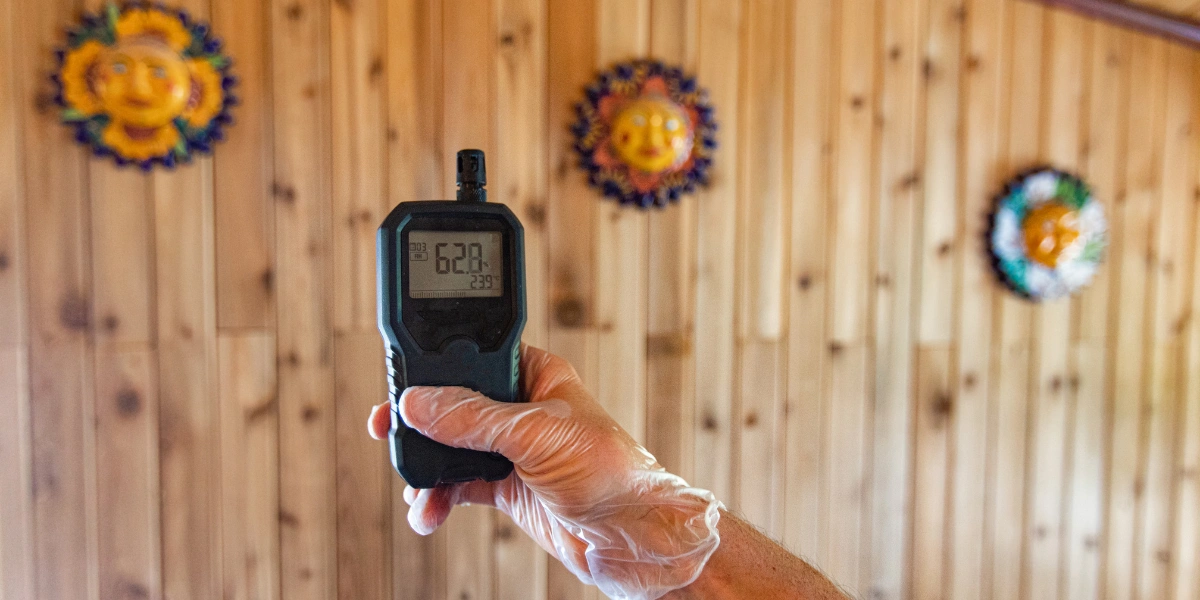
In 2026, the importance of having a radon test kit in your home can’t be overstated. With radon being a leading cause of lung cancer, it’s crucial to know the levels in your environment. You might think your home is safe, but radon concentrations can change. So, how often should you test, and what should you look for in a kit? Understanding these factors could make all the difference for your family’s health.
Understanding Radon and Its Health Risks
Radon, an invisible gas, poses significant health risks that shouldn’t be ignored. This radioactive substance originates from the decay of uranium in soil and rock, seeping into homes through cracks and gaps.
Breathing in radon can lead to serious health issues, especially lung cancer. In fact, radon exposure is the second leading cause of lung cancer after smoking. You mightn’t even realize you’re at risk, as it’s odorless and tasteless.
The danger increases if you live in areas with high radon levels, often found in basements or lower floors. Understanding radon and its effects is crucial for safeguarding your health.
Stay informed and take action to protect yourself and your loved ones from this silent threat.
Current Recommendations for Radon Testing
How often should you test for radon in your home? Experts recommend testing your home for radon every two years, especially if you live in an area known for high radon levels.
If you’re buying or selling a home, it’s wise to conduct a radon test as part of the transaction process. Additionally, if you’ve made significant renovations or changes to your home, consider testing again.
For those living in high-risk zones, testing more frequently—perhaps annually—might be necessary. Remember, radon levels can fluctuate, so regular testing helps ensure your family’s safety.
If you find elevated levels, you’ll need to take action to mitigate the risks associated with radon exposure. Stay proactive about your home’s air quality!
How to Choose the Right Radon Test Kit
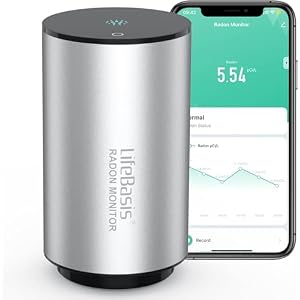
When selecting the right radon test kit, what features should you prioritize?
First, consider the type of test: short-term kits deliver quick results, while long-term kits provide a more accurate reading over time.
Look for kits that are easy to use and come with clear instructions, ensuring you can set them up without hassle.
Check for certifications from reputable organizations, as this indicates reliability.
Additionally, consider whether the kit includes a way to send samples to a lab for analysis.
Lastly, read reviews from other users to gauge their experiences.
The Importance of Regular Testing and Mitigation Strategies
Although many homeowners might overlook radon testing, regularly checking your home for this odorless gas is crucial for your health.
Radon exposure is linked to lung cancer, making it essential to stay proactive. Testing every two years helps you identify any potential risks early on, allowing you to take necessary actions.
If you find elevated levels, implementing mitigation strategies can significantly reduce exposure. This might include sealing cracks in your foundation or installing a radon mitigation system.
Don’t wait until it’s too late—regular testing and prompt mitigation not only protect you but also increase your home’s value.
Stay informed and vigilant; your health and safety depend on it. So, make radon testing a priority.
Conclusion
In 2026, prioritizing radon testing is more important than ever for your family’s safety. With radon being a significant health risk, especially in high-risk areas, regular testing every couple of years—or annually if you’re in a hotspot—can help you catch dangerous levels early. By investing in the right radon test kit and staying proactive, you not only protect your loved ones but also boost your property’s value. Don’t wait; make radon testing a routine part of your home maintenance.
Trending Products