When it comes to your family’s safety, understanding the risks of radon gas is essential. This colorless, odorless substance can seep into your home, often going unnoticed. Radon detectors are vital tools that help monitor indoor air quality, alerting you when levels become dangerous. Knowing how these devices function and why regular testing is crucial can make a significant difference. But what steps can you take to effectively reduce radon exposure?
Understanding Radon Gas and Its Health Risks
While you may not realize it, radon gas is a silent but serious threat that can seep into your home. This colorless, odorless gas originates from the natural breakdown of uranium in soil and rock.
When trapped indoors, radon can accumulate to dangerous levels, posing significant health risks. Long-term exposure to high radon levels is linked to lung cancer, making it the second leading cause of the disease after smoking.
Even if you don’t smoke, you’re still at risk. The good news is, you can take action to protect yourself and your family. Understanding how radon can enter your living space and recognizing its dangers are crucial steps in ensuring your home remains a safe haven.
Don’t overlook this invisible threat.
How Radon Detectors Work
To protect your family from the dangers of radon gas, understanding how radon detectors operate is key.
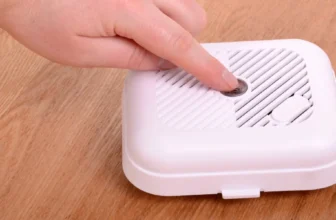
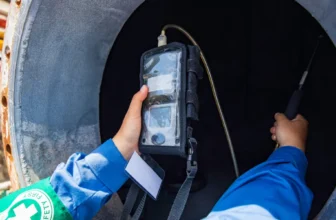
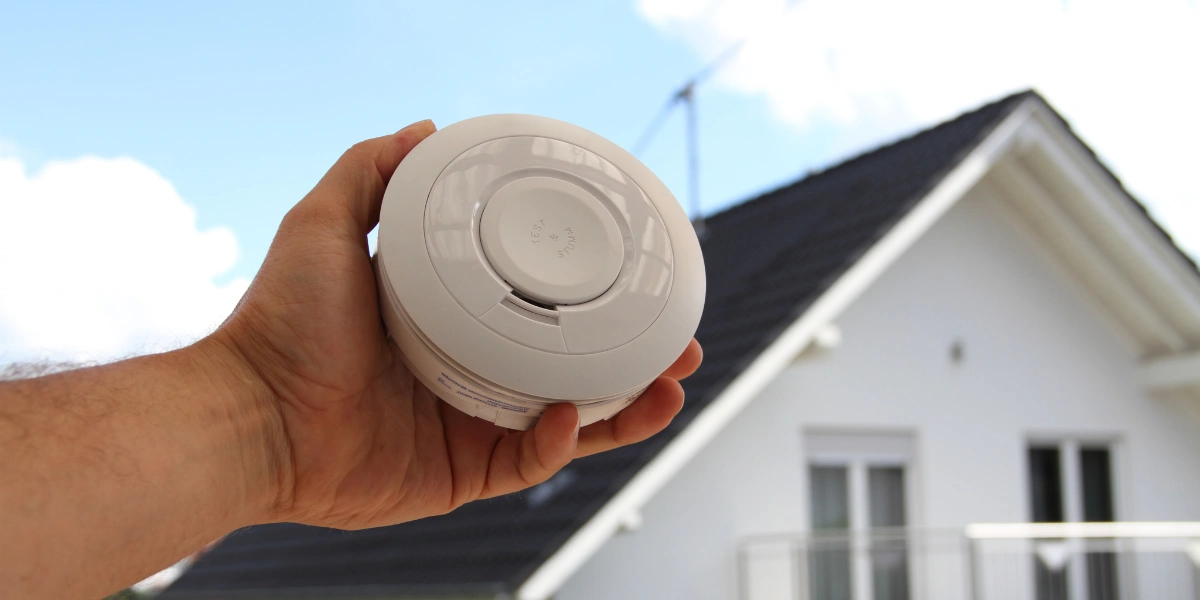
These devices work by measuring the concentration of radon in your home’s air. Most detectors use either passive or active methods. Passive detectors collect air samples over time, allowing you to analyze radon levels later. Active detectors, on the other hand, continuously monitor air quality and provide real-time readings.
When radon particles decay, they emit radiation, which the detector measures. If levels exceed safety guidelines, you’ll get an alert, prompting you to take action.
The Importance of Regular Radon Testing
Regular radon testing is crucial for maintaining a safe home, especially since radon levels can fluctuate over time.
You might think your home is safe, but without regular checks, you could be exposing your family to harmful levels of this odorless gas. Testing should be done every two years or after any significant home renovations.
It’s a simple step that can make a huge difference in your family’s health. If you’ve recently moved, it’s even more important to test, as different homes can have varying radon levels.
Steps to Mitigate Radon Exposure in Your Home
If you discover elevated radon levels in your home, taking immediate action is essential to protect your family’s health.
Start by sealing cracks in floors and walls, as this can significantly reduce radon entry. Next, improve your home’s ventilation; open windows and use fans to circulate air.
You might also consider installing a radon mitigation system, which actively reduces radon levels. It’s important to hire a professional for this, as they can ensure proper installation and effectiveness.
Regularly test your home after mitigation to confirm that radon levels remain low. Finally, educate your family about radon risks and encourage ongoing testing, so everyone stays informed and safe.
Taking these steps can make a significant difference in protecting your loved ones.
Conclusion
In conclusion, using radon detectors is essential for safeguarding your family’s health. By regularly monitoring radon levels, you can identify potential risks and take action to reduce exposure. Don’t wait for symptoms to appear; proactive testing allows you to create a safer living environment. If high radon levels are detected, implementing mitigation strategies can significantly lower the risk of lung cancer. Stay vigilant and prioritize your family’s well-being by making radon testing a routine part of home maintenance.
Trending Products