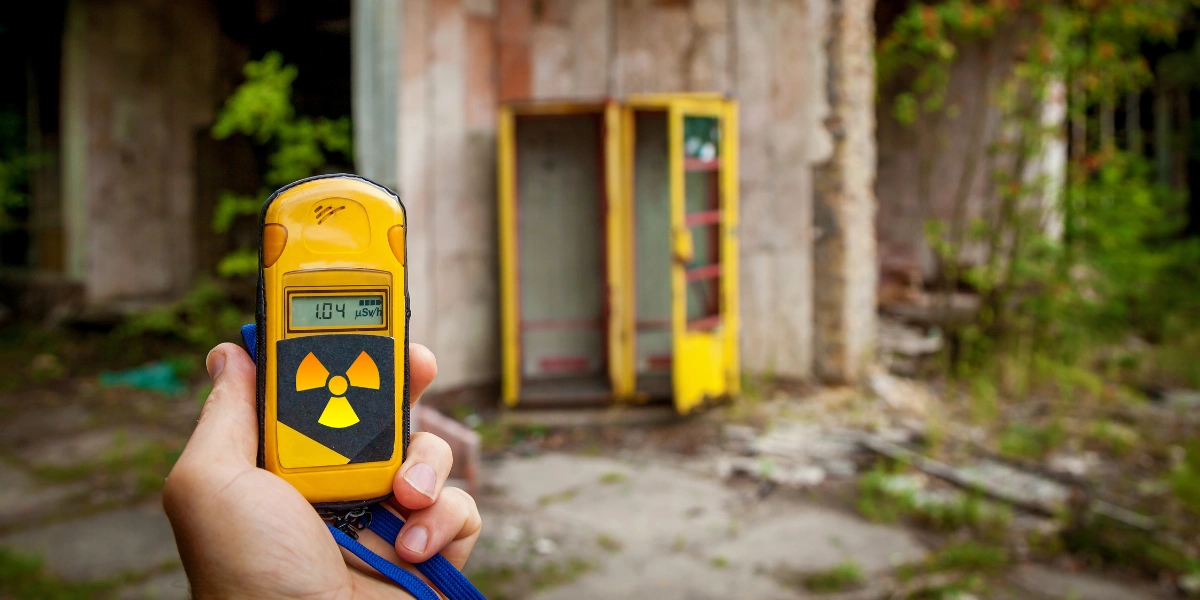
When it comes to digital radon monitors, you might wonder just how reliable they really are. These devices offer convenience and quick results, but several factors can influence their accuracy. From placement to environmental conditions, understanding these elements is crucial for assessing radon risks in your home. So, before you trust those numbers completely, let’s explore what you need to know to make informed decisions about your radon safety.
Understanding Digital Radon Monitor Technology
While many homeowners may not realize it, understanding digital radon monitor technology is crucial for ensuring a safe living environment.
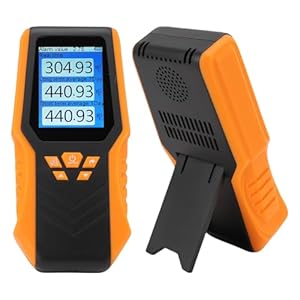
These devices continuously measure radon levels in your home, providing real-time data that traditional methods can’t match. Using advanced sensors, they detect the presence of radon gas and display the results on a digital screen.
Many monitors also come equipped with features like data logging, allowing you to track radon levels over time. This technology makes it easier for you to determine if your home poses a health risk.
Plus, some models can even send alerts to your smartphone, keeping you informed. By grasping how these monitors work, you can make informed decisions about your home’s safety.
Comparing Digital Monitors to Traditional Testing Methods
When you compare digital radon monitors to traditional testing methods, you’ll notice significant differences in both functionality and convenience.
Digital monitors provide real-time readings, allowing you to track radon levels continuously without waiting for days or weeks like you’d with passive tests. This immediate feedback helps you make quicker decisions about mitigation if needed.
Additionally, digital units are often easier to use; many come with user-friendly interfaces and alerts for high radon levels.
In contrast, traditional methods require careful setup and handling, and their accuracy can be affected by various environmental factors.
Factors Affecting the Accuracy of Readings
Digital radon monitors offer a modern solution, but several factors can impact the accuracy of their readings.
First, placement matters; if you position the monitor near windows or vents, you’ll likely get misleading results. Remember to keep it away from direct sunlight and moisture, which can skew measurements.
Additionally, calibration is crucial. If your device isn’t regularly calibrated, its readings may be off. Environmental conditions, like temperature and humidity, can also affect performance.
Finally, don’t forget about the age of the monitor. Older devices mightn’t provide reliable data, so consider replacing them.
Making Informed Decisions About Radon Safety
Understanding radon safety is essential, especially if you live in an area prone to high levels of this harmful gas. Start by testing your home with a reliable digital radon monitor.
If your readings show elevated levels, don’t panic. Instead, consult with a certified radon mitigation professional who can help you understand your options. It’s important to know that radon exposure can lead to serious health issues, but effective solutions are available.
Regular monitoring can help you stay informed about radon levels in your home. Additionally, stay updated on local radon data and community resources.
Conclusion
In conclusion, while digital radon monitors offer reliable readings, it’s essential to consider factors like placement, calibration, and environmental conditions that can impact accuracy. Regularly checking and updating your device ensures you’re getting the best data possible. By understanding how these monitors work and their limitations, you can make informed decisions about radon safety in your home. Stay proactive, and don’t hesitate to replace older monitors for the most accurate assessments of your indoor air quality.
Trending Products