
When it comes to ensuring your home is safe from radon gas, understanding how radon detectors work is crucial. These devices can either passively absorb radon over time or actively monitor levels in real-time. Each method has its own advantages and nuances that can affect your results. Curious about which type might be best for your situation and how to interpret the findings? Let’s explore the details further.
Types of Radon Detectors
When it comes to measuring radon levels, you’ve got a few different types of detectors to choose from.
The most common options are passive detectors, like charcoal canisters and alpha track detectors, which don’t require any power source. They collect radon over time and provide an average measurement once you send them to a lab.
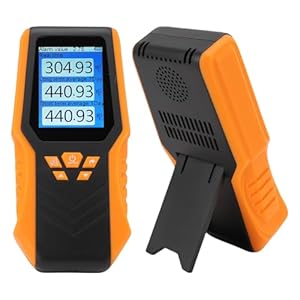
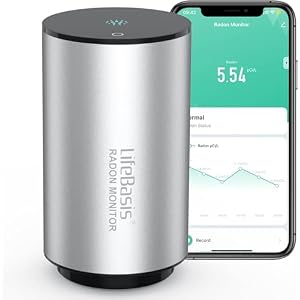
Then, there are active detectors, such as continuous radon monitors, that use electricity to provide real-time readings. These are more expensive but can give you immediate feedback on radon levels.
Lastly, some detectors are designed for short-term use, while others are better suited for long-term monitoring. Selecting the right type depends on your specific needs and how quickly you want results.
How Radon Detection Works
Understanding how radon detection works is essential for keeping your home safe from this harmful gas.
Radon detectors primarily rely on two technologies: passive and active detection. Passive detectors, like charcoal canisters, absorb radon over a specific period. After collection, you’ll send them to a lab for analysis.
Active detectors, on the other hand, continuously measure radon levels using electronic sensors. They provide real-time data and can trigger alarms when levels exceed safety thresholds.
Both types work by measuring the decay of radon’s radioactive particles. By understanding these mechanisms, you can choose the right detector for your home and ensure a safer living environment.
Regular testing helps you stay informed about radon levels and take necessary action when needed.
Interpreting Radon Levels
Interpreting radon levels can seem daunting, but it’s crucial for ensuring your home’s safety. When you receive your radon test results, look for the measurement in picocuries per liter (pCi/L).
The EPA recommends taking action if levels exceed 4 pCi/L. If your results are between 2 and 4 pCi/L, consider retesting or implementing mitigation strategies.
It’s important to remember that even lower levels can pose risks over time, especially for sensitive individuals. Keep in mind the context of your results—seasonal variations and testing duration can influence readings.
If you’re unsure about your results, consulting a professional can provide clarity and guidance, helping you make informed decisions to protect your home and loved ones.
Best Practices for Radon Testing
To ensure accurate radon measurements, following best practices for testing is vital.
First, choose a time when you can leave the detector undisturbed for at least 48 hours. Place it in the lowest lived-in area of your home, ideally in a basement or first floor. Keep windows and doors closed during the testing period to prevent outside air from skewing results.
Avoid placing the detector near drafts, heat sources, or humid areas like kitchens and bathrooms. After the testing period, send the detector to a certified lab promptly for analysis.
Lastly, consider retesting every two years or after significant home renovations to stay informed about your radon levels. Following these guidelines helps ensure reliable results for your safety.
Conclusion
In conclusion, understanding how radon detectors work is essential for keeping your home safe. Whether you choose passive or active detection methods, regular testing helps you monitor radon levels effectively. By interpreting the results correctly and following best practices, you can ensure a healthier living environment for you and your loved ones. Stay proactive about radon testing, and don’t hesitate to seek professional assistance if needed to address any concerns. Your safety matters!
Trending Products