
When it comes to radon, understanding the difference between testing and monitoring is essential for your home’s safety. Testing gives you a quick snapshot of radon levels, while monitoring provides ongoing insights over time. Each approach serves a unique purpose, but knowing which one to prioritize can be confusing. As you consider your options, it’s important to weigh the benefits and implications of each method. What steps will you take to ensure your environment remains safe?
Understanding Radon Testing
Radon testing is crucial for ensuring your home’s safety. It involves measuring the radon levels in your living environment, giving you vital information about potential health risks.
You can conduct radon tests using either short-term or long-term methods. Short-term tests typically last from two to seven days, providing quick results, while long-term tests measure radon levels over three months or more for a more accurate assessment.
It’s essential to test during specific times, like winter when homes are sealed, to get reliable readings. If you discover high radon levels, taking immediate action is necessary to mitigate the risks.
Regular testing can help you stay informed about your home’s air quality and protect your family’s health.
The Importance of Radon Monitoring
After understanding the basics of radon testing, it’s important to recognize the role of radon monitoring in maintaining a safe home environment.
Regular radon monitoring helps you detect fluctuations in radon levels over time, ensuring you’re aware of any potential hazards. It’s not just a one-time test; ongoing monitoring gives you peace of mind and keeps your family safe.
You mightn’t see or smell radon, but consistent monitoring can catch rising levels before they become a serious problem. Additionally, many states require continuous monitoring in certain situations, making it essential for compliance.
Key Differences Between Testing and Monitoring
While both testing and monitoring are essential for managing radon levels, they serve distinct purposes in ensuring your home’s safety.
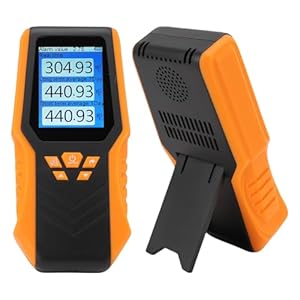
Radon testing typically involves a short-term assessment, giving you a snapshot of your home’s radon levels over a specific period, usually a few days to a week. This method is great for identifying immediate concerns.
On the other hand, radon monitoring is a long-term process, often lasting months or even years, allowing you to track fluctuations in radon levels over time.
Testing is more of an initial check, while monitoring provides ongoing data. Understanding these differences helps you decide the best approach for maintaining a safe living environment and ensuring your home stays radon-free.
Making the Right Choice for Your Home
Choosing the right approach for managing radon levels in your home depends on your specific situation and concerns.
If you’re just starting out, testing is a great first step. It gives you a snapshot of radon levels and helps you determine if further action is needed.
If you’ve already tested and found elevated levels, monitoring provides ongoing data to ensure your home stays safe over time.
Consider your long-term needs—if you plan to stay put for a while, investing in a monitoring system might be worthwhile.
Assess your budget, too; testing is generally cheaper upfront, while monitoring costs more but offers continuous peace of mind.
Ultimately, your choice should reflect your comfort level and commitment to maintaining a safe living environment.
Conclusion
In summary, both radon testing and monitoring play vital roles in keeping your home safe. Testing provides a quick snapshot of radon levels, helping you address any immediate concerns. On the other hand, monitoring offers ongoing awareness, ensuring you stay informed about fluctuations over time. Depending on your needs, you might choose one or both methods to protect your family’s health. Stay proactive and make informed decisions to create a safer living environment.
Trending Products