
When it comes to radon levels in your home, knowing what’s safe is crucial for your health. The EPA suggests keeping radon levels below 4 picocuries per liter (pCi/L). If your levels reach this threshold or higher, it’s time to take action. But what steps should you take to ensure your living environment remains safe? Understanding how to test and mitigate radon exposure is essential for your peace of mind.
Understanding Radon Levels
Radon levels in your home can vary significantly, making it essential to understand what constitutes a safe environment.
Radon is a colorless, odorless gas that forms from the natural breakdown of uranium in soil and rock. It can seep into your home through cracks and openings in the foundation, walls, and floors.
Because radon levels can fluctuate based on factors like season and ventilation, it’s crucial to monitor them regularly.
You mightn’t realize the potential health risks associated with high radon levels, but long-term exposure can lead to serious health issues, including lung cancer.
Taking proactive steps to measure and understand radon levels in your home can help ensure a safer living space for you and your family.
Recommended Safe Radon Levels
Knowing how to interpret radon levels is key to ensuring a safe home environment.
The U.S. Environmental Protection Agency (EPA) recommends that radon levels in your home should be below 4 picocuries per liter (pCi/L). If your levels are at or above this threshold, it’s crucial to take action.
Ideally, you should aim for levels below 2 pCi/L, significantly reducing health risks. Radon is a colorless, odorless gas, making it necessary for you to monitor your home regularly.
Even minor reductions can have a major impact on safety. Remember, the longer you’re exposed to higher radon levels, the greater your risk for lung cancer.
Prioritizing these recommendations can help ensure a healthier living space for you and your family.
How to Test for Radon in Your Home
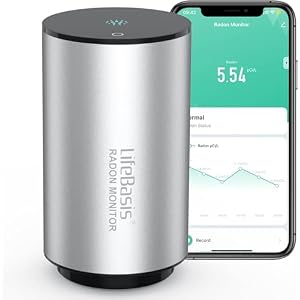
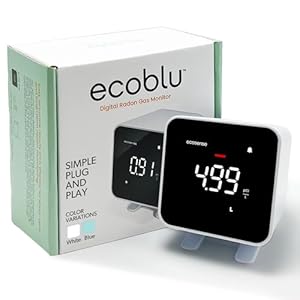
Testing for radon in your home is a straightforward process that can help protect your health. You can purchase a radon test kit online or at a local hardware store.
There are two main types: short-term and long-term tests. Short-term tests typically last from two to seven days, while long-term tests measure radon levels for three months to a year.
To conduct a test, place the kit in the lowest livable area of your home, away from drafts and moisture. Follow the instructions carefully, making sure to leave the test undisturbed.
After the testing period, send it to the lab for analysis. You’ll receive results that indicate your radon levels, helping you make informed decisions about your home’s safety.
Mitigation Strategies for Radon Exposure
If you’ve discovered elevated radon levels in your home, taking immediate action is crucial to reduce exposure and protect your health.
One effective strategy is to install a radon mitigation system, which typically involves a vent pipe and fan to draw radon from beneath your home and release it outside.
Sealing cracks in floors and walls can also help minimize radon entry. Additionally, ensure proper ventilation in your home; increasing airflow can dilute radon concentrations.
Regular testing is essential to monitor your home’s radon levels after mitigation efforts.
If you’re unsure about the process, consider hiring a qualified radon mitigation professional to ensure a safe and effective solution tailored to your home’s needs.
Conclusion
In conclusion, keeping radon levels in your home below 4 pCi/L is crucial for your health. Aim for even lower levels, ideally under 2 pCi/L, to ensure a safer living environment. Regular testing is key, as it helps you stay informed and take action if needed. If you find elevated radon levels, don’t hesitate to implement mitigation strategies. Protecting yourself and your loved ones from radon exposure is essential for minimizing health risks like lung cancer.
Trending Products