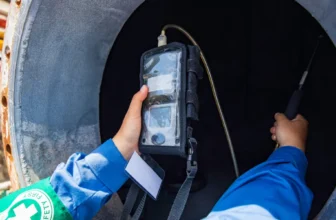

You might not realize it, but radon gas could be lurking in your home. This colorless, odorless gas forms naturally from uranium decay in the ground and can build up in enclosed spaces. Long-term exposure poses serious health risks, including a heightened chance of lung cancer. Understanding how radon enters your living environment and the dangers it presents is crucial. So, how can you protect yourself and your family from this hidden threat?
Understanding Radon Gas
While you mightn’t think about it often, radon gas is a colorless, odorless radioactive gas that can seep into your home from the ground.
It’s produced by the natural decay of uranium in soil, rock, and water, and can accumulate in enclosed spaces. Since you can’t see or smell it, radon often goes unnoticed, which is why it’s crucial to understand its risks.
Long-term exposure can lead to serious health issues, including lung cancer. In fact, radon is the second leading cause of lung cancer in the United States.
Testing your home for radon levels is essential, as it allows you to take action if necessary. Stay informed and proactive to keep your living environment safe.
How Radon Enters Your Home
Radon gas can enter your home through various pathways, often without you even noticing. It typically seeps in from the ground, moving through cracks in your foundation, gaps around pipes, or even through porous building materials.
If your home has a basement or is built on soil with high radon levels, you’re at greater risk. Ventilation systems can also draw radon in from the outside, especially if they’re not properly sealed.
Additionally, some well water sources can contain radon, which may be released into the air when you shower or wash dishes. To protect yourself, it’s crucial to understand these entry points and take preventative measures to minimize radon levels in your home.
Health Risks Associated With Radon Exposure
Exposure to radon gas poses significant health risks, particularly when it accumulates in your home over time. This colorless, odorless gas can lead to serious illnesses, most notably lung cancer.
When you breathe in radon, radioactive particles can damage lung tissue, increasing your risk of cancer. In fact, radon is the second leading cause of lung cancer after smoking. If you’re a smoker, your risk is even higher when combined with radon exposure.
Symptoms of radon-related health issues often don’t appear until years later, making it crucial to be proactive about monitoring radon levels in your home. Protecting yourself and your loved ones from these hidden dangers is essential for long-term health.
Don’t delay in assessing your environment for radon risks.
Mitigation Strategies to Reduce Radon Levels
Taking action to protect your health from radon risks involves implementing effective mitigation strategies to reduce radon levels in your home.
Start by testing your home for radon using a reliable kit; if levels are above 4 pCi/L, consider professional help.
One common method is installing a radon mitigation system, which typically includes a vent pipe and fan to draw radon from beneath your home and release it outdoors.
Sealing cracks and openings in your foundation can also help minimize radon entry.
Ensure proper ventilation in your home, especially in basements.
Regularly monitor radon levels to ensure your efforts are effective, and don’t hesitate to reach out to certified professionals for guidance and support.
Taking these steps can greatly reduce your radon exposure.
Conclusion
In conclusion, understanding radon gas and its risks is crucial for your health. By being aware of how radon enters your home, you can take proactive steps to test for it. Long-term exposure can significantly increase your risk of lung cancer, but with proper mitigation strategies, you can reduce radon levels and protect yourself and your loved ones. Don’t wait—take action now to ensure a safer environment in your home.
Trending Products